
OpenAI Ads Manager is a new self-serve platform for ChatGPT advertising that allows US advertisers to run search advertising within ChatGPT responses, using context-based targeting instead of keywords.
At ROAST, we have been testing OpenAI’s new self-serve Ads Manager this week and there’s quite a bit to unpack. The platform represents a genuine shift in how AI-powered search advertising works, moving away from traditional keyword targeting towards something that feels entirely different.
Here’s what we’ve discovered through hands-on use, including a few updates that have dropped since launch.
How to Get Access to OpenAI Ads Manager
The self-serve platform launched on 5 May 2026, opening its doors to US advertisers regardless of size. From our experience, the approval process takes roughly two days after creating an account. Nothing dramatic, but worth factoring into your planning if you’re looking to launch quickly.
One operational quirk caught us off guard is that advertising agencies cannot create accounts on behalf of clients. Brands need to sign up directly, then add agency email addresses once their account is approved. It’s a small friction point, but if you’re an agency managing multiple client accounts, you’ll need to adjust your onboarding workflow accordingly.
OpenAI Ads Manager Features and Ad Formats
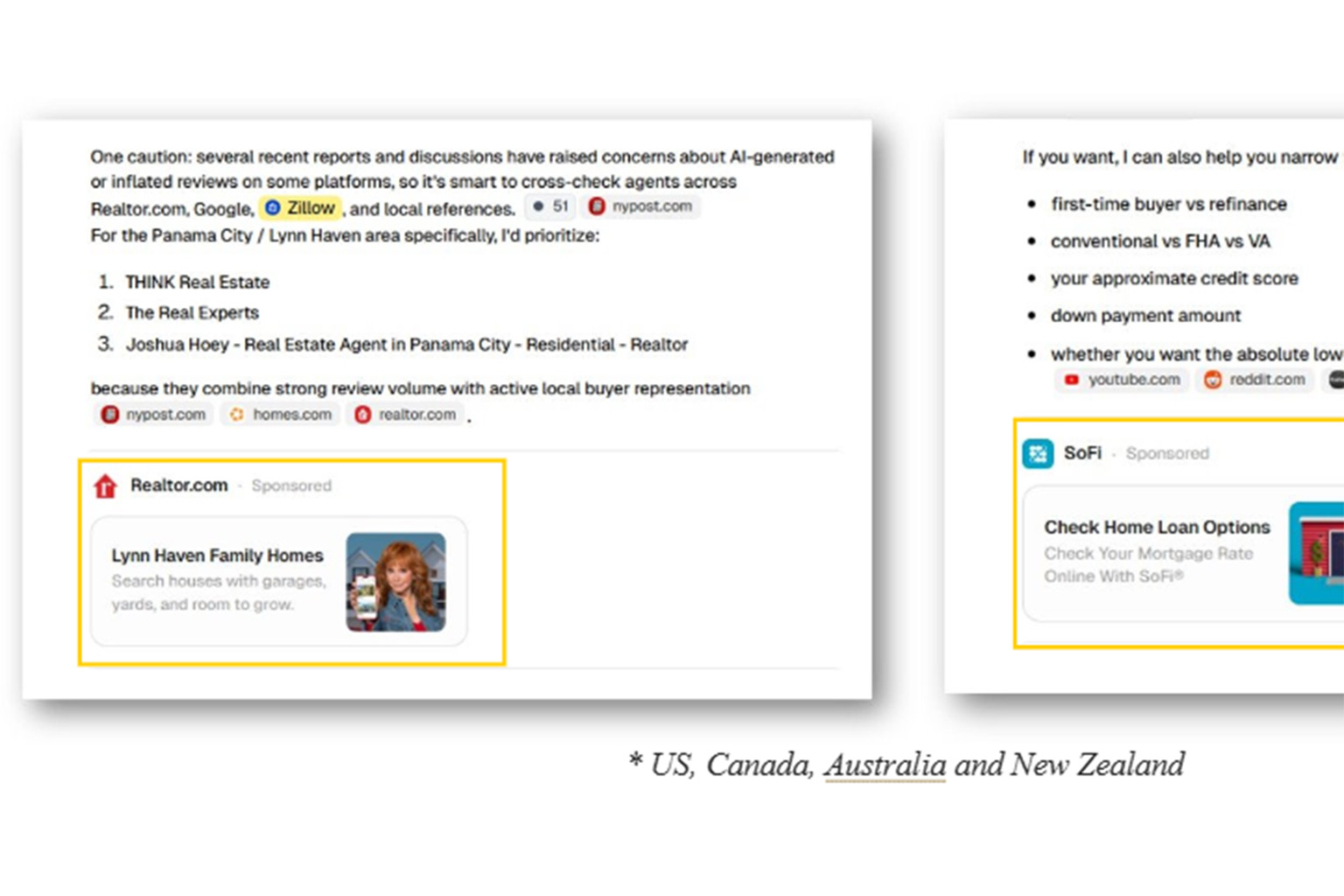
The current ad format is very familiar. Each unit is text-based with a required image, appearing as a clearly labelled sponsored card beneath ChatGPT’s responses. The anatomy of each unit includes your brand name, logo, headline, description, image and links out to your landing page.
ChatGPT advertising now supports both CPM and CPC bidding models. CPC bidding arrived alongside the self-serve launch, which gives performance marketers a familiar framework to evaluate traffic quality. If you’ve been running search campaigns elsewhere, the CPC model will feel like home territory.
Location targeting extends beyond the US including countries in closed pilots: Canada, Australia, New Zealand. This broader reach happened faster than we expected, particularly for a beta launch.
Context Hints in ChatGPT Advertising
Context hints are the core targeting mechanism in OpenAI Ads Manager, replacing traditional keyword targeting in search advertising. This is where ChatGPT search advertising starts to diverge from traditional search models. There is no keyword targeting in the OpenAI Ads Manager. Instead, you work with something called “context hints”.
Context hints require you to describe your product or service. The system then matches your ads based on intent, not keyword targeting. It’s fundamentally different from building keyword lists or managing match types.
In practice, this means you’re trusting OpenAI’s language model to interpret user intent and match it to your description. This will require a different approach to testing, focusing on these descriptions rather than keyword optimisations.
What You Can’t Do Yet
Industry restrictions are fairly tight. Financial services and health categories are restricted, whilst gambling and cryptocurrency are disallowed entirely. Regulated categories including dating, financial services, and politics remain excluded from the platform.
You’ll also need a US billing address to access the self-serve platform currently. This will likely change as more markets open, but for now, it’s a hard requirement that might complicate things for international brands without US operations.
Coming Soon
Conversion-based bidding is on the roadmap but not live yet. The Conversions API and pixel are already available to set up within the platform, so you can start tracking, but you cannot optimise campaigns towards specific website events. This feels like a significant gap for performance marketers who need to drive actions beyond clicks.
A pilot programme is coming for the UK, Japan, South Korea, Brazil, and Mexico. This won’t be self-serve initially. Expect a closed beta format, which means access will be limited to selected advertisers first.
ROAST’s Take After a Week of Testing
After a week of testing OpenAI Ads Manager, the biggest shift is clear: ChatGPT advertising removes keyword control entirely, forcing a rethink of how AI-powered search advertising campaigns are structured from the ground up. The absence of keywords is the most jarring change and it requires rethinking how you approach campaign setup. Rather than building comprehensive keyword lists, you’re crafting descriptions that capture the essence of what you offer.
The two-day approval time feels reasonable, but this may take longer for businesses in a restricted vertical. The main outstanding question is around conversion optimisation, as until we’re able to bid towards specific actions, it’s difficult to properly assess how the channel will perform relative to other paid media within a full-funnel strategy.
If you’re considering testing ChatGPT advertising, set up your pixel and Conversions API now. When conversion bidding becomes available, you’ll want historical data already flowing and if you’re based in the UK, keep an eye out for pilot access announcements. We suspect demand will exceed available spots when the beta opens.
We’ll continue testing and share more findings as the platform evolves.
For more insights on how OpenAI’s technology continues to reshape digital marketing, stay tuned to our updates.
If you’re testing ChatGPT advertising or exploring AI search advertising strategies, speak to our Paid Media team at ROAST to see how we can help you set up, manage, and optimise campaigns using OpenAI Ads Manager.
Contact us about PPC Services.
Contact us