
Brands like Rightmove, Skyscanner, and MoneySuperMarket are already building on ChatGPT, as AI apps move from experimental to essential.
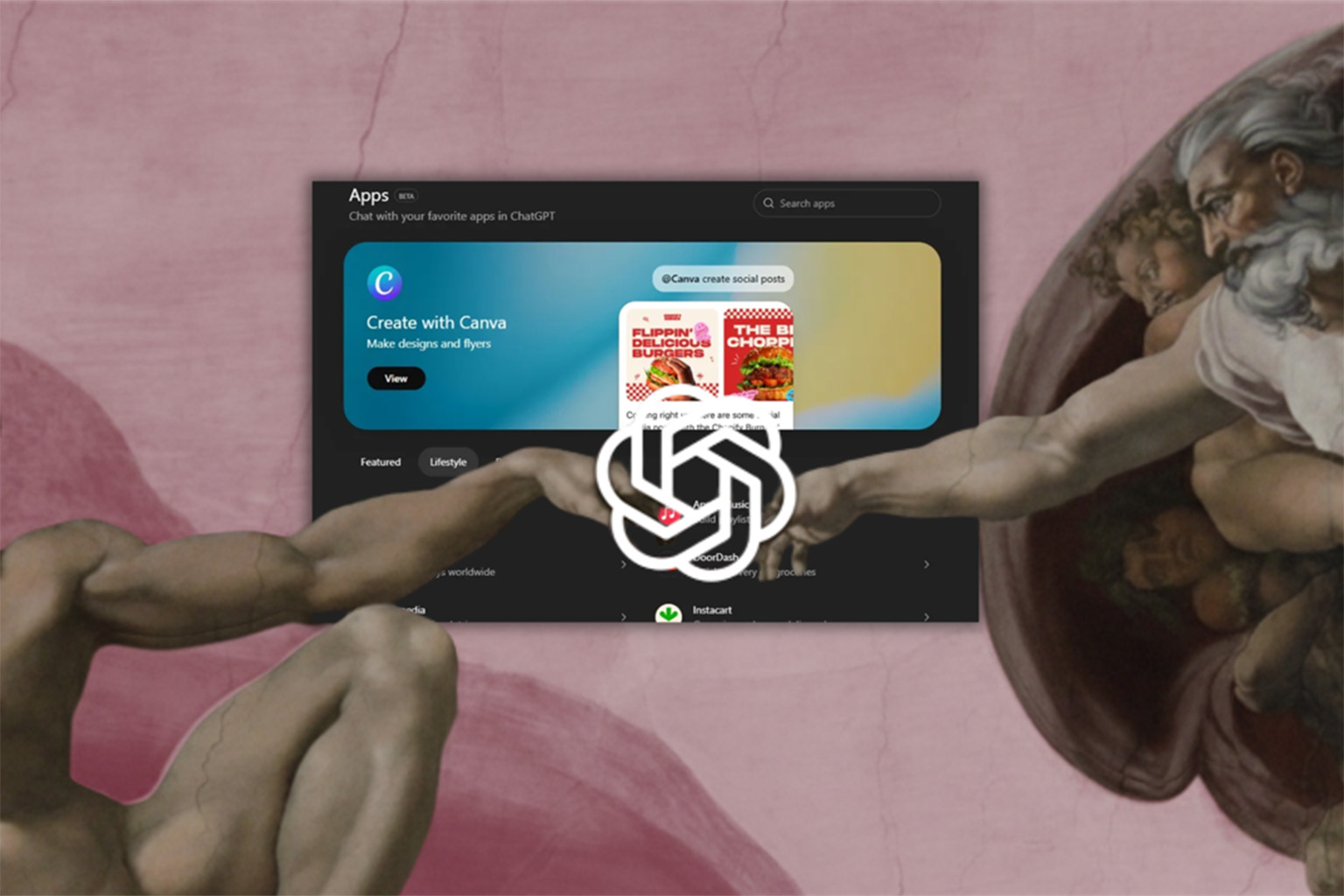
We have officially entered a definitive “App Store” moment for the generative AI era. In the past couple of months, we’ve seen a coordinated rush toward a new movement in the marketing playbook. MoneySuperMarket launched on February 20th, becoming the first major UK financial services player to debut a dedicated ChatGPT app. Just days later, on February 25th, Skyscanner followed suit. Now, Rightmove has officially announced its own entry into the space.
This isn’t just a handful of early adopters experimenting with a new API; it is a fundamental shift in how brands interact with consumers. The question for marketing leaders has shifted from “Should we have an app on ChatGPT?” to “How quickly can we get there?”
The new search model: From keywords to conversations
Why is this happening now? To understand the “why,” we must look at how consumer behaviour is deviating from traditional web search.
On a standard website, a user is restricted by filters and pre-defined categories. On a property portal, you search by postcode and bedroom count. But on a conversational platform, the search is lifestyle-led. A user might ask: “I’ve been offered a job in Manchester; suggest areas for a young family with excellent schools and a four-bed house for under £450k.” Traditional search engines struggle with that level of nuance. ChatGPT apps, however, thrive on it. By building these integrations, brands like Rightmove and Trainline are meeting users at the very earliest stages of their “discovery journey” – long before they would typically land on a homepage.
What is most striking is the sheer variety of sectors jumping into the first wave. While productivity and business tools were the early winners, the most popular categories now include Lifestyle & Travel: (Skyscanner, Meetup), Finance: (MoneySuperMarket, Experian, PayPal), Retail & DIY: (Lowe’s) and Health: (Weight Watchers).
These companies have recognised the huge rise in popularity of ChatGPT in the UK, and the place where search starts. Data from Ofcom found that ChatGPT had 1.8 billion UK visits in the first eight months of 2025, up from 368 million in same period of 2024. If people are heading to ChatGPT to answer their questions having a GPT app is about reducing friction. Why leave your chat to check car hire prices on Turo or car insurance on MoneySuperMarket when you can summon those services with a simple @brand command?
Will every brand need a ChatGPT app?
The big question for CMOs is whether this is a permanent fixture of the marketing stack or a passing trend. The answer lies with OpenAI.
The long-term viability of these apps depends entirely on how OpenAI chooses to push them. Last year, we saw a massive above the line marketing push from OpenAI, educating the public on how to use ChatGPT for cooking or weight training.
The tipping point will come when we see the next wave of advertising. Imagine a TV spot or a digital billboard that tells a consumer: “Find your next home with Rightmove, now inside ChatGPT.” If OpenAI begins to actively surface these apps to users during generic conversations – essentially acting as a recommendation engine – then an app becomes mandatory for any brand that wants to remain discoverable. For example, “what are the costs for a flight this weekend to Berlin from Stansted” and ChatGPT opens the Skyscanner app automatically.
The other push of GPTApps could be Open AI starting to reduce its reliance on Google / Bing. When a user asks a question on ChatGPT the majority of the time the answer is grounded with search results. Where do these search results come from? Google and Bing.
GPT Apps give OpenAI a source of data to answer the users question in much more detail without having to rely on Google and Bing (their other option is to build their own search index!)
The strategy for 2026: Test, learn, and secure the territory
We are currently in the first wave of opportunity. For the brands mentioned – from S&P Global to Skyscanner – the goal isn’t necessarily immediate ROI in terms of direct conversions. It is about learnings.
They are discovering:
-
Intent Mapping: What are people actually asking for that our website doesn’t offer?
-
Brand Voice: How does our brand identity translate into a text-based assistant?
-
Platform Dynamics: How does the App Store of AI actually function in terms of ranking and visibility?
For marketeers, the message is clear: the siloed world of website vs. mobile app is over. We are entering an era of omnipresent utility.
Whether it’s finding a flight, comparing a mortgage, or searching for a home, the brands that win will be those that integrate themselves into the flow of the consumer’s conversation. Rightmove, MoneySuperMarket, and On The Beach have made their move. The clock is now ticking for everyone else.
As seen in Performance Marketing World.