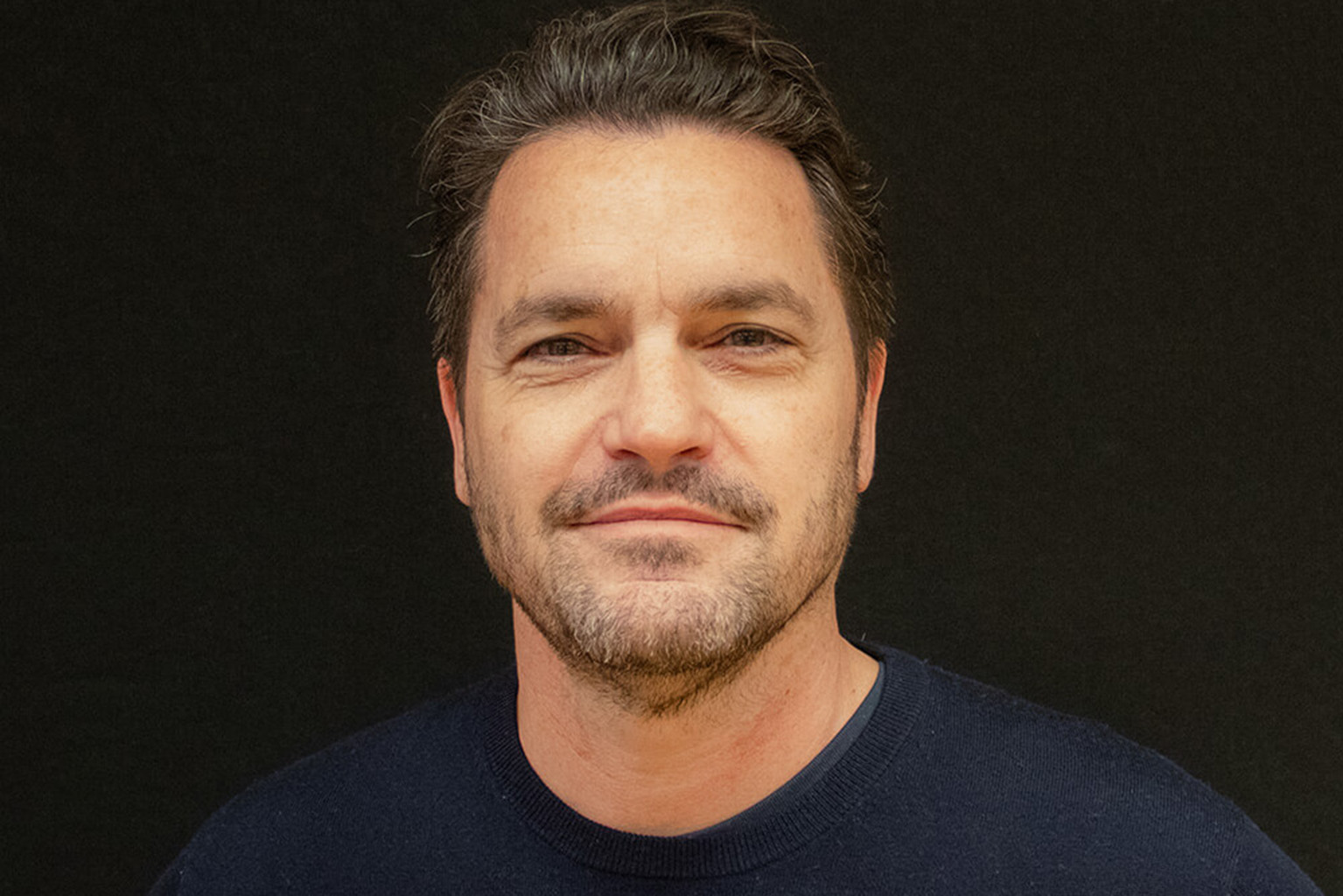
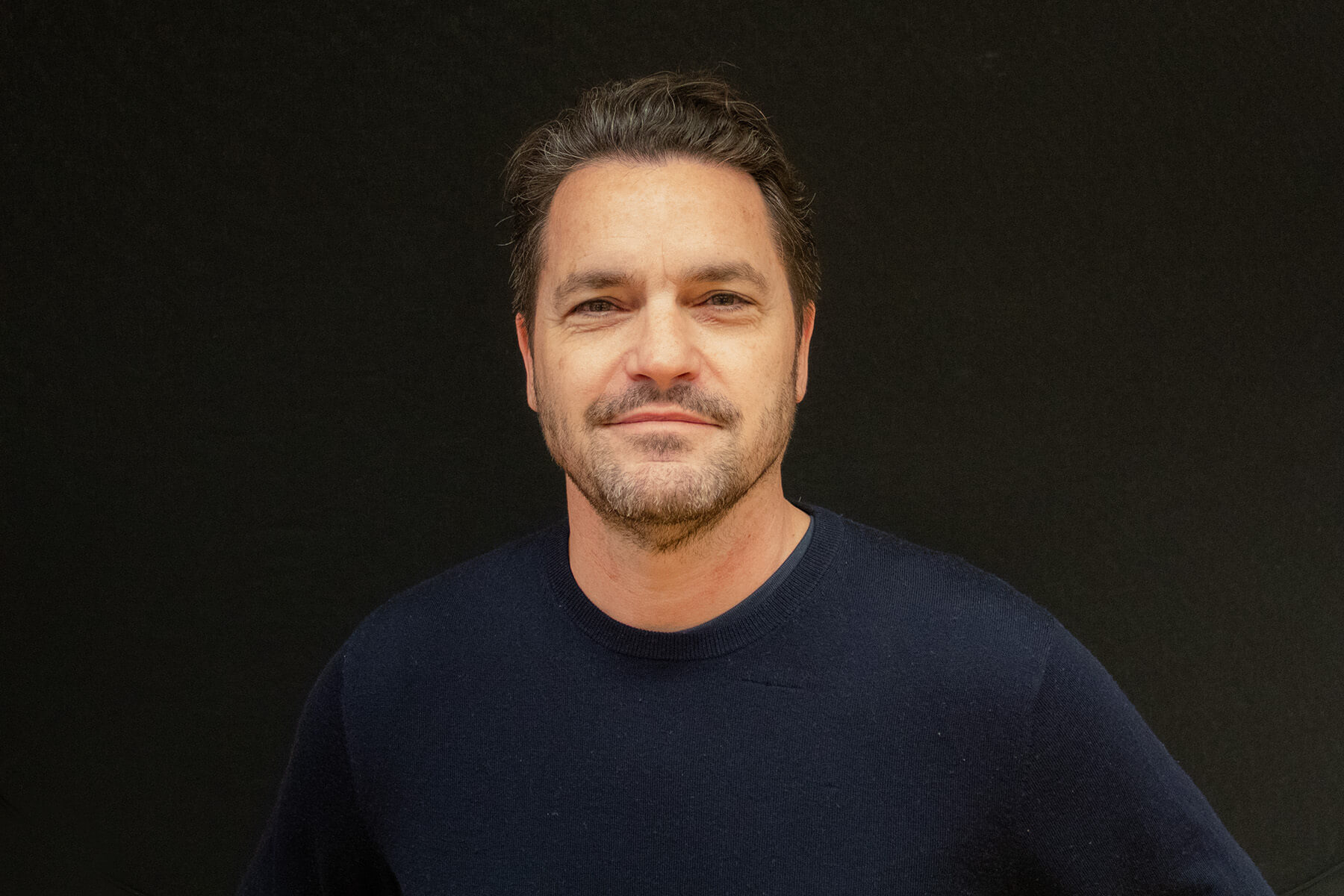
Our managing partner Phil Burgess discusses how empowered teams and independent agility gives clients more bang for their buck.
For Phil Burgess, there’s nothing like the sense or purpose and agency that you get from working for an indie. With over 30 years of digital marketing experience across finance, insurance, travel, FMCG, media and B2B, at both independents and networks alike, he reckons the ability to get truly hands-on with a client’s problem unlocks a passion, smarter thinking and a will to excel. You could even say, it drives ROAS (return on ad spend), which is apt given the name of agency ROAST.
Here Phil outlines his swashbuckling philosophy that’s all about removing unnecessary layers, charging teams with a clear shared vision and understanding, and setting up sustainable success.
Q> Looking back across your career – especially your time in indie environments – when have you been happiest, and what was actually driving that happiness: the work, the people, or the outcomes?
Phil> For me the satisfaction and sense of purpose from working in an indie agency comes from feeling like you make a difference. A difference to the client’s business as well as difference to the agency itself. If you don’t get a kick out of telling the client that we’ve driven 20% increase in revenue or reduced their CPA but 15% then a performance media agency like ROAST is probably the wrong environment for you. Similarly, I love the buzz of getting a new client signed and over the line. I know the impact it has on team morale, the endorsement of the way we’re doing things and the excitement of a new relationship full of possibilities. I’ve been happiest in my career when I’ve been closer to both these outcomes.
Q> How do you personally build engagement with teams that don’t just deliver efficiently, but genuinely care about the outcomes – for clients and for each other?
Phil> I find it’s about clarity, honesty and empowerment. People respond really well when you tell them in no uncertain terms what we need to achieve, why it’s important and then trust them to deliver in their own way. I’ve had micro-manager bosses and they are demotivating and you end up doing things in a way that you think will generate the least response and amends from your boss, rather than simply trying to do the best thing for the client. As always, you can learn plenty from your bad managers and because of those I’ve personally experienced, I’ve always tried to empower. My job is to explain what we need to do, not tell people how to do it.
Q> There’s a lot of talk about “cheap media,” but less about “cheap outcomes.” In your view, what actually creates better outcomes at scale – buying power or smarter thinking?
Phil> I’ve spent most of my career at indie agencies, broken up by periods at the networks. So I’ve worked with clients with wildly varying budgets. What strikes me is that, even those with more modest media budgets should expect the best services from their agencies. It might not buy them the cheapest rates in the market with media owners, but I believe you should take care of every pound spent and work it as hard as you can. With smart thinking, care and effort we are still able to drive cost effective outcomes, especially as the market shifts increasingly to valuing the importance of the right data and activation smarts in order to deliver ROI. I often tell clients that we’re different to the OpCos because we care more, it’s personal to us and we can’t hide if we get it wrong…so we absolutely have to get it right. I suspect that this is true of lots of other indies out there.
Big up the indie agency sector!
Q> When talent feels truly connected – to the mission, the client, and each other – what changes in the quality of work and the impact it creates?
Phil> Communication and visibility really help to drive connection. It’s why we ensure that all team members have direct contact with clients, even the juniors. There’s nothing like hearing the pain points and worries direct from source to clarify the mind. I find this gets the best work from teams. Too often we’re guilty of focusing on particular channels and getting into the technical details as a proof that we’re doing our jobs. Actually, our job is to get meaningful results for our clients and that’s all they really care about.
Indies tend to be better as there are fewer layers between senior clients, media owners and agency leadership so, for the right type of person, the learning curve is quicker and sense of engagement deeper. All of which leads to better work.
Q> If the goal is not just growth but meaningful growth, how do you personally measure whether the work you’re leading is making a bigger difference – not just a bigger footprint?
Phil> For me, meaningful growth is the shift from being a tactical supplier, managing multiple channels and budget lines, to a strategic partner driving a bigger difference. I like to look at the sophistication of the problems we’re invited to solve – if we’ve moved from arguing over basic CPMs to influencing a client’s long-term business transformation, that is real growth. Ultimately, I gauge our impact by the sustainability of the results we leave behind and the professional trajectory of our team… when our juniors are confidently leading high-level client sessions and our work fundamentally changes a brand’s data infrastructure rather than just buying temporary traffic, we aren’t just taking up more space – we’re actually making long term performance shifts.