Marketing measurement has never been more complex, or more critical. With privacy updates reshaping data collection, user journeys splintering across an ever-growing list of channels, and platforms tightening what advertisers can see, measurement as we have known it before has changed. Brands that want to grow in 2026 need a smarter, more strategic approach, one that turns fragmented signals into clear, actionable insight.
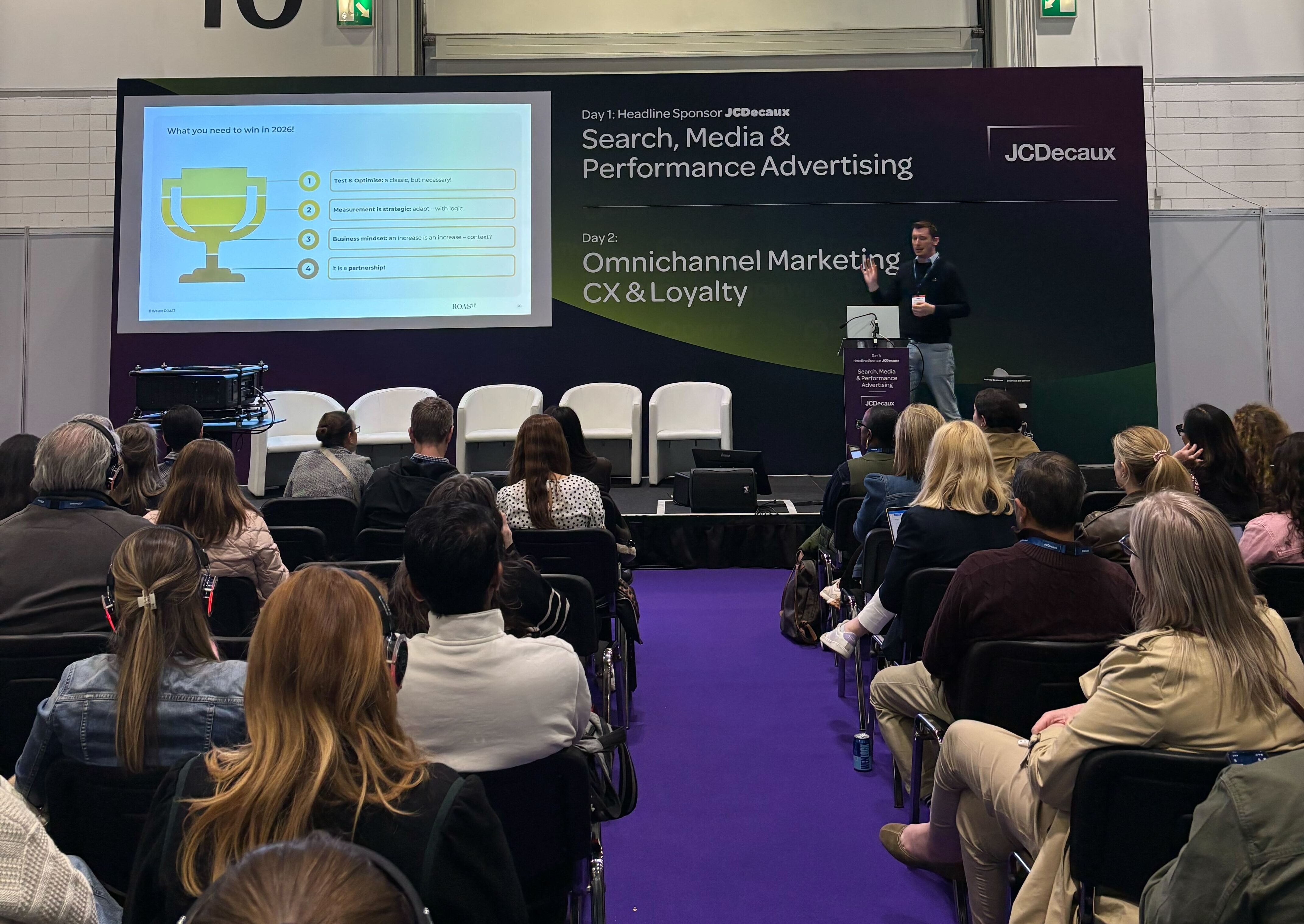
Our Head of Data & Measurement, Gauthier Rochas, recently presented at DMWF 2026 on ‘Easy Ways to Build a Cross-Channel Measurement-Centric Strategy‘. Here are the key takeaways from the session.
Good measurement starts before the analysis
Before any modelling, testing, analysis or reporting can happen, there are a few fundamentals that must be in place.
- Know your data
This sounds obvious, but it’s often overlooked.
Data collection is getting harder. Privacy changes, platform limitations and fragmented user journeys all make it more difficult to get a complete view. Without a clear understanding of what data is available, what is missing and how reliable it is, the rest of the analysis becomes much harder to trust.
- Know your channels
Media channels play different roles, operate on different timeframes and generate different signals. In a world where data is sometimes lost across channels, it is crucial to understand their goals and performance through attribution, incrementality testing or MMM to rebuild fragmented user journeys.
- Know your audience
Measurement drives growth when it connects back to the users you are trying to influence. That means understanding who is being targeted and who should be excluded from the campaign but also analysing user behaviours to drive impactful marketing campaigns that resonate with the targeted audiences.
- Build real partnership between agency and client
This is the main difference between ‘measurement that sits in a deck’ and ‘measurement that drives action’.
The strongest results come when agency and client align early on data availability and granularity, and what the roadmap is: a clear hypothesis and goal within an achievable timeline is key!
What you need to win at media measurement in 2026
- Test, then optimise
Optimisation matters, but it can’t replace learning. Campaign success can’t be guaranteed, it must be tested, refined, and proven.
- Treat measurement as a strategy, not a report
Measurement is not just a raw file full of data and KPIs. It’s the framework that helps businesses interpret performance, challenge assumptions, and make decisions with confidence. Perfect measurement rarely exists so stay agile!
- Keep business reality in view
Statistical rigour matters, but so does commercial context. Growth and upward trends still need to make sense for stakeholders. The best marketing measurement balances technical capabilities with business acumen.
- Build partnership early
The strongest measurement projects are collaborative from the start. When agencies and clients understand the data landscape together, align on constraints, and agree on the methodology (even if complex, but always logical) in advance, the analysis becomes more effective and results are trusted.
Ready to make measurement work harder for your brand?
At ROAST, we help brands move beyond surface-level reporting and build measurement strategies that genuinely drive growth. From attribution and incrementality testing to MMM and bespoke measurement frameworks, our Data & Measurement team works as a true extension of your business, aligning on goals and turning data into decisions you can trust. If you’re ready to build a cross-channel measurement strategy that delivers real commercial impact, reach out to our team.
Contact us about Data & Measurement Services.
Contact us