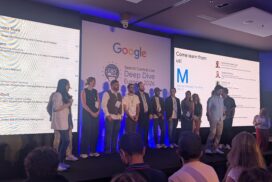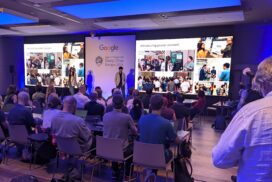

Good SEO is good “GEO”. That was the message from Google at Search Central Live Cape Town and our Cape Town Organic Performance team was in the room to hear it.
ROAST’s Cape Town Organic Performance team recently joined industry professionals at Google’s Search Central Live event in Cape Town, only the second time the event has been held in South Africa. It was a rare chance to hear directly from Google about where search is heading, from content quality and core updates to the growing role of AI in how people find information. Following our recaps of Google’s Search Central Live Deep Dive in Barcelona, it was great to bring the conversation home to Cape Town.
The speakers
The line-up brought two of Google’s best-known Search voices to the stage (see the full agenda):
- John Mueller, Search Advocate at Google, presented What’s new in Search?, Search updates and best practices, and All about controls.
- Martin Splitt, Developer Relations at Google Search, presented How Search works, AI experiences in Search, and Internationalisation and localisation.
What we took away
1. Good SEO is good GEO
Whatever you call it (GEO, AEO, AI SEO, or as one slide joked, “LLMNOPEO”), Google’s position was clear: the fundamentals that win in traditional search are the same ones that win in AI search. Google’s tips for AI search success were to:
- Follow SEO fundamentals
- Use structured data
- Deliver a great page experience
- More than anything else, publish unique, authentic, non-commodity content
2. Non-commodity content is the differentiator
One of the most useful slides contrasted commodity and non-commodity content. A running shoe retailer’s “Top 10 things to consider when buying running shoes” is commodity. “Why this customer’s shoes collapsed after 400 miles: a wear pattern analysis” is not. The difference is first-hand experience, original evidence and a point of view nobody else can copy.
Google linked this back to the four pillars of quality in its Search Quality Rater Guidelines: effort, originality, talent or skill, and accuracy. As Head of Google Search Liz Reid put it on screen: “We’re committed to highlighting high-quality content on the web and we will continue to refine how we do it.”
These guidelines are especially relevant right now. Google began rolling out the November 2026 core update on 10 November, and the rollout may take up to two weeks. Core updates are designed to better reward helpful, reliable content, so effort, originality, skill and accuracy are the right lens for anyone reviewing performance as the update settles. Google’s advice for sites that see changes is in its core updates guidance.
Google was also clear on what are generally not drivers of quality:
- Links and site moves
- Technical SEO on its own (though it’s good for other things)
- Core Web Vitals scores
- Removing pages that get no impressions, aren’t indexed or are duplicate content
Those things still matter for other reasons, but they don’t make content better.
3. How AI search finds your content
Martin Splitt explained that AI Mode and AI Overviews combine the model’s general knowledge with specific knowledge pulled from traditional search results, often via “query fan-out”. A query like “ebikes for a 5 mile commute with hills” is expanded into related searches such as “best ebikes” and “ebikes for hills”, which means a wider and more diverse set of pages can be shown and linked. The top words people use in AI Mode searches? Explain, find, identify, summarise and information.
Google also shared that people who click through from AI Overviews tend to spend more time on site, because they arrive with more context.
The advice: measure the overall value of visits (sales, sign-ups, engagement), not just clicks.
4. Myths, busted
The mythbusting session was a crowd favourite:
- False: llms.txt replaces robots.txt or feeds instructions to Google’s AI crawlers. Google doesn’t use it.
- False: structured data is a ranking factor. It helps Google understand and display your content, but it isn’t there to boost rankings.
- True: writing for humans is still what works best for Google’s AI systems.
- It depends: AI scrapers don’t use up your Google crawl budget, but if they overload your server to the point it returns errors, Google will slow its own crawling.
5. What’s new in Search
John Mueller’s “What’s new in Search?” session, along with Martin’s look at AI experiences, walked through the biggest changes to Google Search this year. The headline: AI Mode isn’t just changing how people search, it’s expanding the very definition of what’s searchable.
- The intelligent search box. Google’s biggest upgrade to the search box in over 25 years brings smart compose and a (+) button to search boxes across mobile, Chrome and web. It adds full multimodal input (images, files and video), a seamless move between AI Overviews and AI Mode, and access to tools such as Deep Search, Canvas, Nano Banana and a model picker.
- Non-text search is growing. More than 1 in 6 queries is now non-text, so images, video and visual content matter more than ever.
- More ways to appear. AI results pull in images, videos, shopping listings, local listings and more, so there are opportunities beyond a standard webpage link.
- Preferred sources. Users can pick their favourite sites, which then show more prominently in Top Stories and carry a “Preferred” label in AI Mode and AI Overviews. It’s available globally, and Google suggests adding a button or link so readers can easily add your site (Google’s preferred sources guide).
- “Highly cited” labels. Articles that other stories cite are automatically labelled as highly cited, rewarding original reporting over rewrites.
- Subscription linking. Through Reader Revenue Manager, publishers can help existing subscribers find their content more easily in Search. One case study showed 34% more engagement.
- Search Profiles. Publishers and creators can now claim a dedicated Search Profile to shape how they appear on Search and choose which content to highlight. It’s live in the US, Canada and India, with more markets coming.
Google’s view is that people now ask more, and more detailed, questions in AI experiences, see more links and sources, and arrive on websites already engaged. Being the original, trusted source is how brands earn that visit.
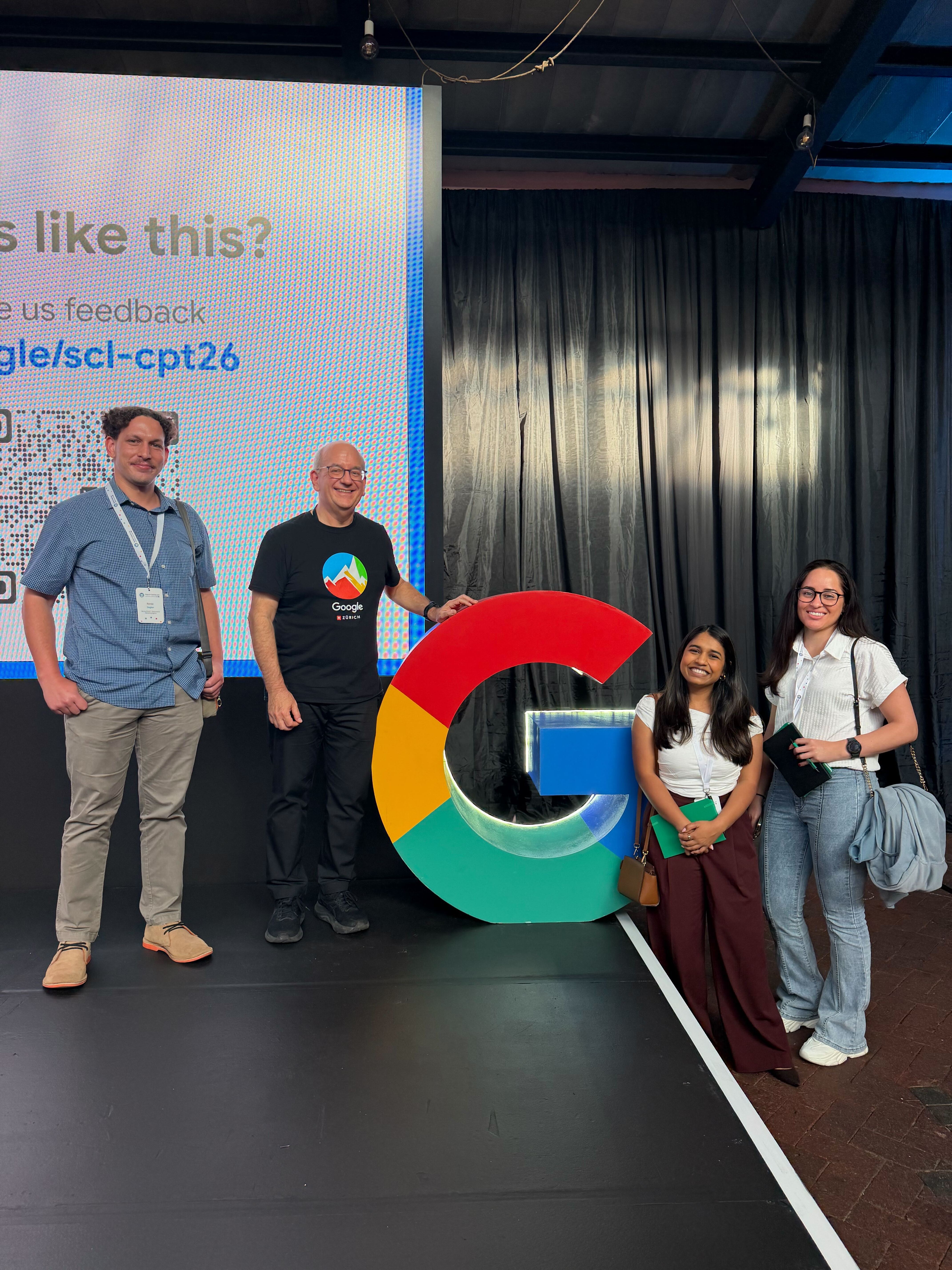
Meeting John Mueller
The highlight of the day came after the sessions, when the team had the chance to chat with John Mueller, Google’s Search Advocate. For an SEO team, talking search with one of the most recognised voices in the industry was an especially exciting way to round off the event.
What this means for our clients
The big reassurance from Search Central Live is that AI search isn’t a reason to throw out the SEO playbook. It’s a reason to do the fundamentals better: solid technical foundations, a great page experience, structured data where it helps, and above all, content with real expertise and original insight that AI can’t simply summarise from elsewhere.
That’s exactly how we approach organic performance at ROAST. We’ll be taking these insights straight into our client work, from content strategy to measuring the value of AI-driven visits.
A great day of learning, sharing knowledge and staying ahead of the curve as we navigate the future of SEO and AI search. Thanks to the Google Search Central team for bringing the event to Cape Town.
Want to know how AI search is affecting your brand’s visibility? Get in touch with ROAST.