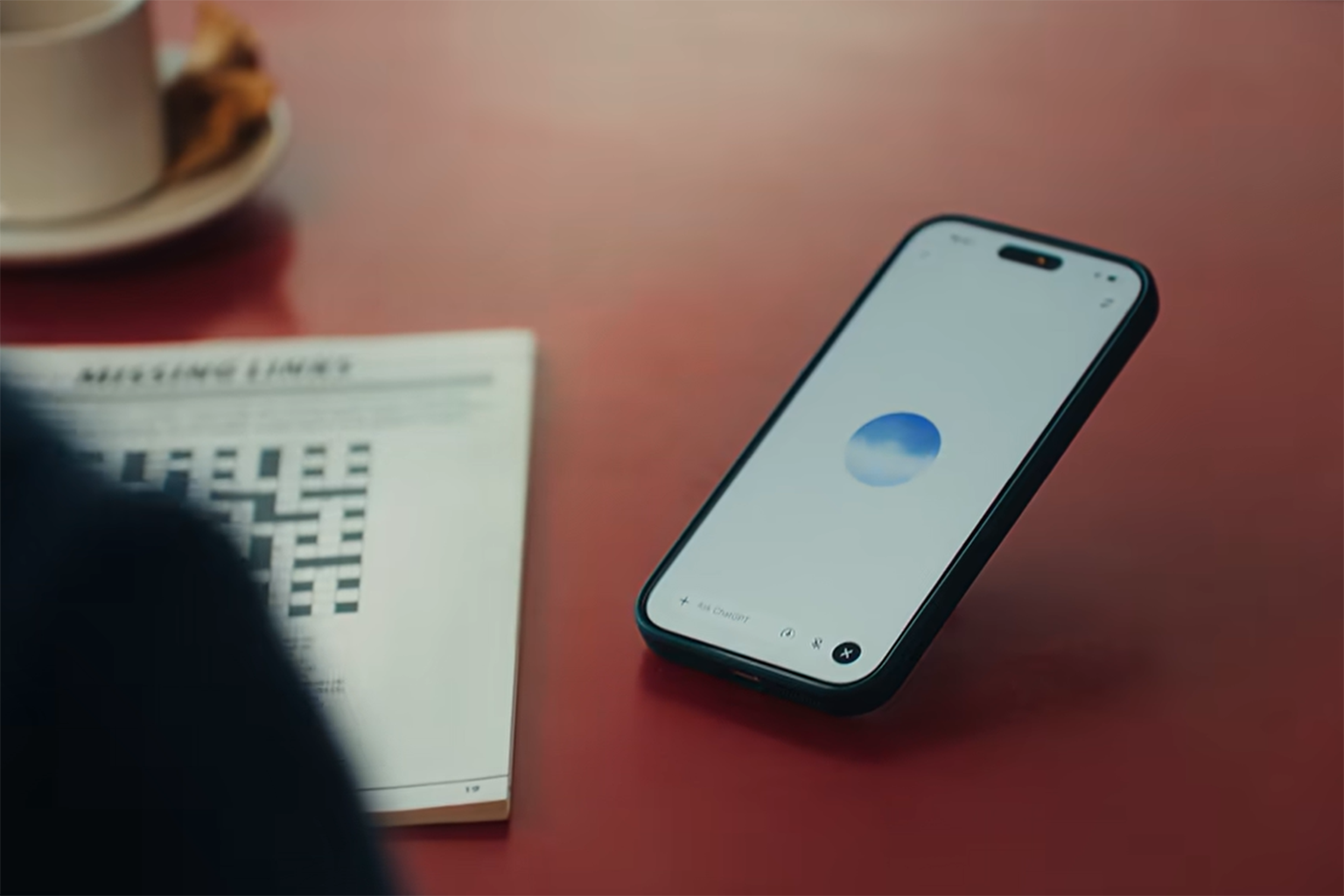

You’ll want to turn the sound on for this one.
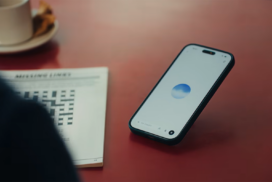
OpenAI has launched ‘Get Stuff Done with ChatGPT Voice” in the UK, a campaign that follows grandpas as they put ChatGPT Voice to use in daily life. It picks up where the grannies who fronted OpenAI’s Voice films earlier this year left off.
We all know that voice is an ideal input method for conversing with large language models such as ChatGPT. However, there is a legacy of user perceptions that’s come from (let’s just call these) the version 1 voice assistants, such as Alexa, Siri and the Google Assistant.
In those previous versions of voice assistants, it was up to the user to use the wake word and it wasn’t possible to barge in on a conversation, you would have to wait for the voice assistant to finish and start again if it misheard you. However, what is interesting in this latest campaign that it is purposefully trying to re-educate users that this is now possible in these new interactions. You don’t need to wait for the assistant to stop. You don’t need to say the wake word and you can amend your conversation as you go. That’s because GPT-Live, the new model behind ChatGPT Voice, is built on a full-duplex architecture which means that it can listen and speak at the same time.
Longer term, it’s going to be interesting to see how OpenAI promotes this. There are rumours of them creating a physical device, which you’d think would be voice-input first. We can already see companies like OpenAI, Anthropic, and Microsoft leaning into voice as an input, because speaking is 3 to 5 times quicker than typing.
What isn’t quicker is having the response being read out to you by the voice assistant which can be cognitively demanding. Try remembering five restaurants that the assistant has just read out. It was good to see that in this example they were promoting the idea of multimodality: “Email me the list of restaurants” rather than having it read out loud.
All of this is part of a wider re-education of users into this new technology: how voice assistants could actually end up working or how we originally envisaged them working for us.
Have you gone back to voice yet?